

-
 $165.00
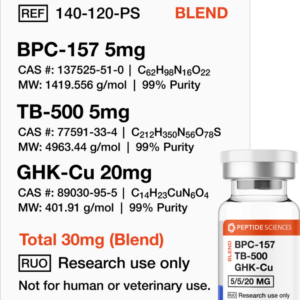
BPC-157, TB-500, GHK-Cu (Glow Blend)
BPC-157 10mg, TB-500 (Thymosin Beta-4) 10mg, GHK-Cu 40mg
(60mg Total Glow Blend) Click Here BPC-157, TB-500, GHK-Cu (Glow Blend) 30mg Mechanisms and Synergy BPC-157: A stable gastric pentadecapeptide shown to accelerate angiogenesis, fibroblast migration, and epithelial repair via modulation of VEGFR2, FAK-paxillin pathways, and nitric oxide signaling. It enhances tendon, muscle, and intestinal healing in preclinical models. TB-500 (Thymosin Beta-4): A 43-amino acid actin-sequestering peptide that promotes tissue regeneration through cell migration, angiogenesis (via VEGF upregulation), and anti-inflammatory effects. It mobilizes progenitor cells and accelerates repair of myocardium, dermis, and connective tissue. GHK-Cu: A copper-binding tripeptide (glycyl-L-histidyl-L-lysine) that stimulates wound healing, collagen synthesis, and hair growth. It modulates gene expression linked to tissue remodeling and exerts antioxidant and anti-inflammatory effects through TGF-β and metalloproteinase regulation. Synergistic Benefits:
Combined research with BPC-157, TB-500, and GHK-Cu may offer synergistic tissue regeneration and anti-inflammatory benefits by concurrently activating multiple repair pathways: Angiogenesis: TB-500 and BPC-157 both promote VEGF-mediated vascularization, while GHK-Cu enhances endothelial cell proliferation. Cellular migration and matrix remodeling: TB-500 improves actin polymerization and cellular motility; GHK-Cu and BPC-157 stimulate ECM production and fibroblast activity. Anti-inflammatory modulation: All three reduce oxidative stress and cytokine-driven inflammation, potentially improving healing in chronic or complex injuries. This multifactorial synergy suggests enhanced efficacy in musculoskeletal, dermatological, and post-surgical recovery applications. -
 $315.00
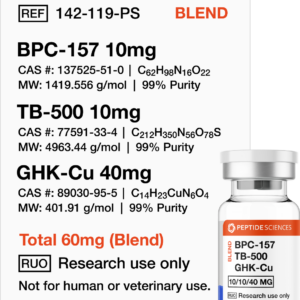
BPC-157, TB-500, GHK-Cu 60mg (Glow Blend)
BPC-157 10mg, TB-500 (Thymosin Beta-4) 10mg, GHK-Cu 40mg
(60mg Total Glow Blend) Click Here BPC-157, TB-500, GHK-Cu (Glow Blend) 30mg Mechanisms and Synergy BPC-157: A stable gastric pentadecapeptide shown to accelerate angiogenesis, fibroblast migration, and epithelial repair via modulation of VEGFR2, FAK-paxillin pathways, and nitric oxide signaling. It enhances tendon, muscle, and intestinal healing in preclinical models. TB-500 (Thymosin Beta-4): A 43-amino acid actin-sequestering peptide that promotes tissue regeneration through cell migration, angiogenesis (via VEGF upregulation), and anti-inflammatory effects. It mobilizes progenitor cells and accelerates repair of myocardium, dermis, and connective tissue. GHK-Cu: A copper-binding tripeptide (glycyl-L-histidyl-L-lysine) that stimulates wound healing, collagen synthesis, and hair growth. It modulates gene expression linked to tissue remodeling and exerts antioxidant and anti-inflammatory effects through TGF-β and metalloproteinase regulation. Synergistic Benefits:
Combined research with BPC-157, TB-500, and GHK-Cu may offer synergistic tissue regeneration and anti-inflammatory benefits by concurrently activating multiple repair pathways: Angiogenesis: TB-500 and BPC-157 both promote VEGF-mediated vascularization, while GHK-Cu enhances endothelial cell proliferation. Cellular migration and matrix remodeling: TB-500 improves actin polymerization and cellular motility; GHK-Cu and BPC-157 stimulate ECM production and fibroblast activity. Anti-inflammatory modulation: All three reduce oxidative stress and cytokine-driven inflammation, potentially improving healing in chronic or complex injuries. This multifactorial synergy suggests enhanced efficacy in musculoskeletal, dermatological, and post-surgical recovery applications. -
 $255.00
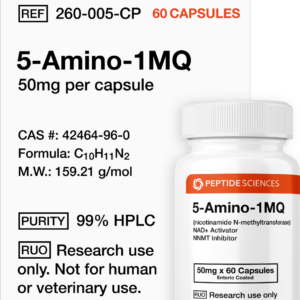
5-Amino-1MQ 50mg (60 Capsules)
5-amino-1MQ is a small molecule that blocks the activity of the enzyme called nicotinamide N-methyltransferase (NNMT). NNMT is a very important component in metabolism and energy and is predominantly active in fat tissue. By blocking NNMT, 5-amino-1MQ stimulates an increase in nicotinamide adenine dinucleotide (NAD+), a cofactor that is central to cellular metabolism, thereby increasing metabolic rate and activating a gene called sirtuin-1 (SIRT1). SIRT1 is also known as the “longevity gene” because of its role in reducing the risk of diabetes, obesity, metabolic syndrome, atherosclerosis and other forms of cardiovascular disease, kidney disease, liver disease, neurodegeneration, and cancer. Research in mice given 5-amino-1MQ showed a 7% reduction in body mass over 10 days without any changes in food intake, compared to controls. Research has shown that decreasing NNMT may help shrink fat cells and reduce the size of fat deposits.